The Autonomous Supply Chain: From Vision to Reality
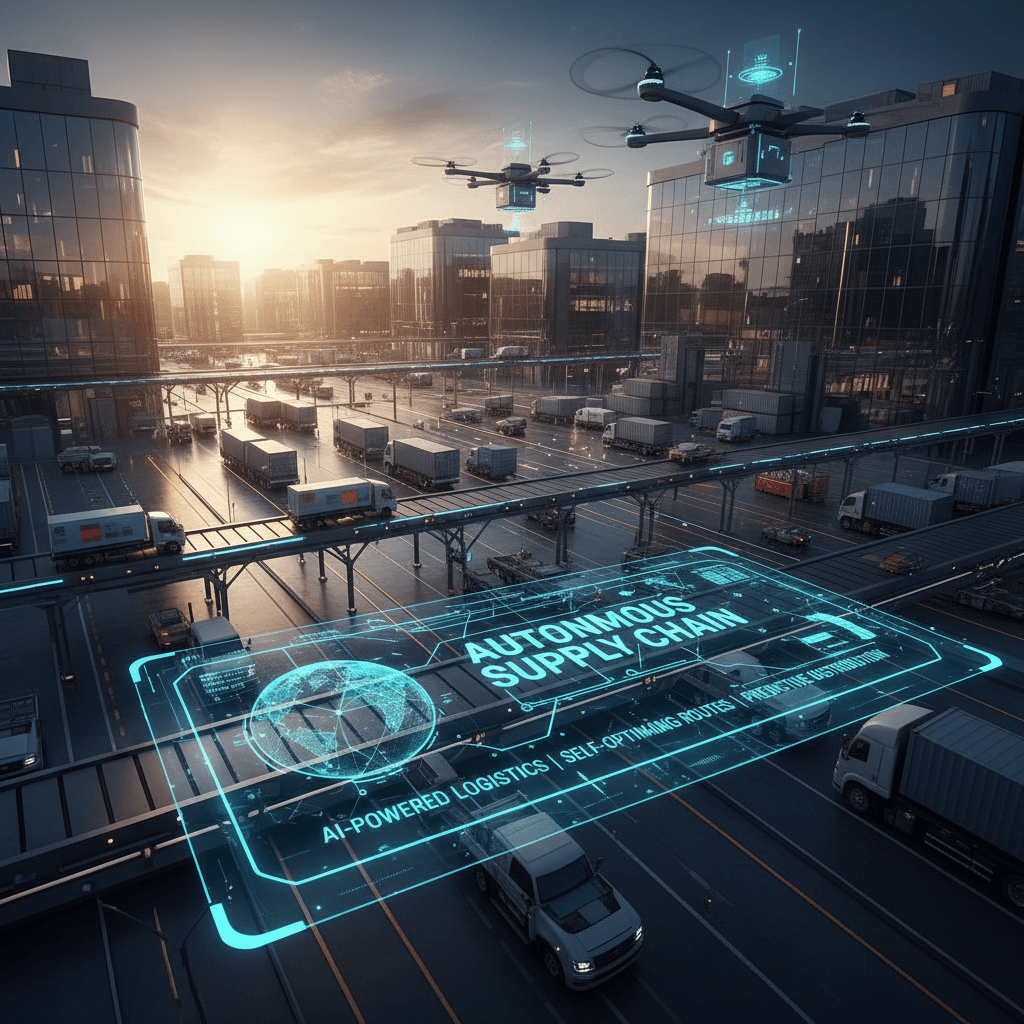
How AI-driven logistics and robotics are reshaping global delivery networks for unprecedented speed and resilience.
For years, supply chains have relied on people to make decisions and systems to execute them. That model is rapidly changing.
AI is no longer just helping businesses analyze data—it's beginning to make operational decisions in real time. From predicting demand and optimizing inventory to rerouting shipments and responding to disruptions, autonomous supply chains are becoming a competitive advantage rather than a future ambition.
The biggest shift isn't automation—it's intelligent decision-making.
Leading organizations are combining AI, real-time data, digital twins, and autonomous agents to build supply chains that can continuously learn, adapt, and optimize with minimal human intervention.
The goal isn't to replace people. It's to free experts from repetitive operational decisions so they can focus on strategy, resilience, and innovation.
What Technology Leaders Should Do
Instead of asking "How do we automate everything?", ask:
Which decisions are repeated every day? Where do delays and disruptions occur most often? Which processes still depend on spreadsheets and manual approvals?
Start with one high-impact process, measure the results, and scale from there.
The future of supply chains won't be defined by who has the most data—but by who can make the fastest, smartest decisions.